Balance exercises for seniors – Simple ways to stay steady
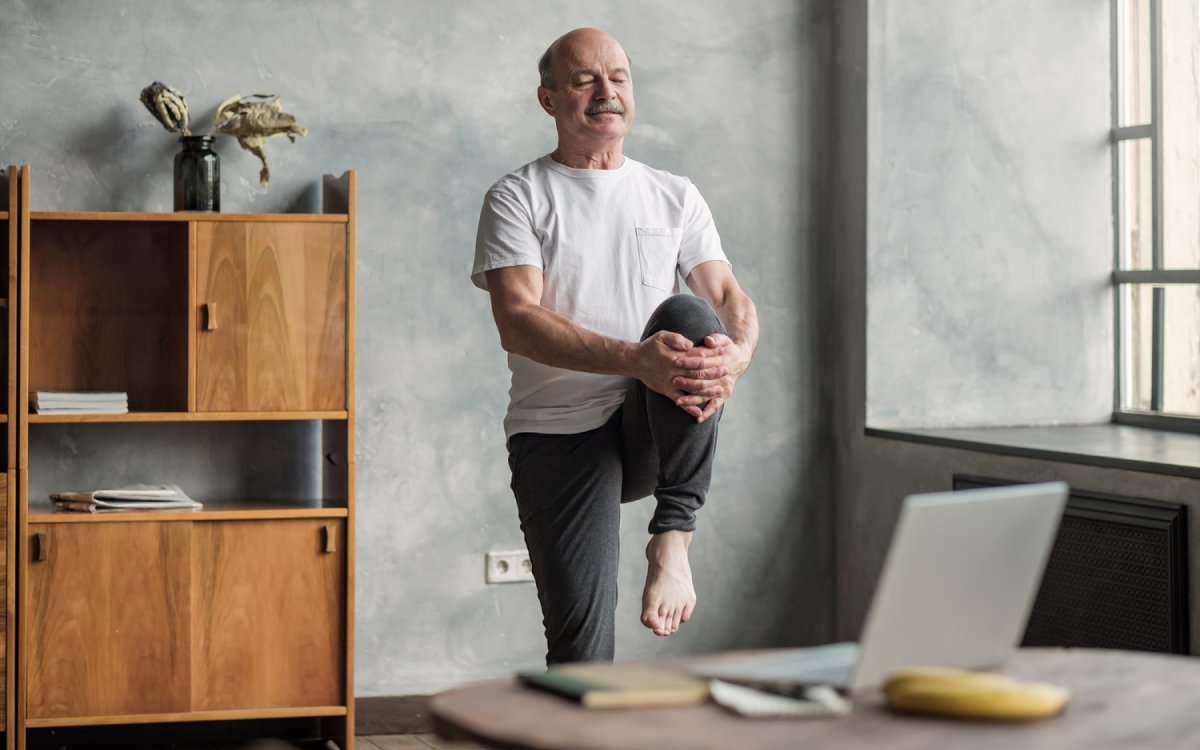
Balance can quietly shift over time, turning simple movements into moments of hesitation. That’s where balance exercises for seniors come into focus. Built around control and coordination, these movements help strengthen stability in a steady, manageable way. With consistent practice, stability training seniors follow can support smoother movement, improve confidence, and contribute to fall prevention in routines—keeping everyday motion steady, controlled, and more natural.
Why Balance and Stability Exercises Matter
Balance is about maintaining control while moving. Stability training for seniors strengthens coordination, helping the body respond better to shifts and changes in position. These exercises support senior mobility and help reduce falls by improving how the body stays aligned and steady during everyday movement.
Foundational Balance Exercises for Seniors
Standing Balance Hold
This is performed by standing upright with feet close together while maintaining a straight posture and holding the position for several seconds. Doing this helps the body build steadiness and control.
Heel-to-toe Walk
The routine involves walking in a straight line while placing one foot directly in front of the other, encouraging slow, controlled steps that improve coordination and alignment.
Single-leg Balance
One foot must be lifted slightly off the ground and held in position while staying upright, allowing stabilizing muscles to engage and strengthen over time.
Stability-focused Exercises for Better Control
Side Leg Raises
This is performed by standing upright and slowly lifting one leg to the side while keeping the upper body steady, then lowering it with control to improve lateral stability.
Sit-to-stand
Sit-to-stand is done by rising slowly from a seated position and returning to a seated position with controlled movement, supporting balance during transitions.
Weight Shifts
The exercise involves standing with feet apart and gradually shifting weight from one foot to the other in a smooth, controlled motion, helping the body adapt to changes in balance.
Additional Balance and Stability Exercises
Tandem Stance
With one foot placed directly in front of the other, heel touching toe, this position challenges alignment and control while helping improve overall balance.
Backward Walking
Moving in reverse with slow, steady steps introduces a different coordination pattern, encouraging the body to stay aware and balanced through unfamiliar motion.
Marching in Place
Lifting one knee at a time in a controlled rhythm helps build coordination, improve stability, and support smoother movement.
Toe Raises
Rising gently onto the toes and lowering back down with control strengthens the lower legs and enhances balance during standing.
Heel Raises
Shifting weight toward the heels by lifting the front of the feet engages muscles and improves control in upright positions.
Clock Reach
Balancing on one leg while reaching the other foot in different directions—forward, sideways, and backward—helps develop multi-directional stability and coordination
How These Exercises Help Reduce Falls
Regular practice of balance exercises can improve coordination and reaction time, allowing the body to respond more effectively to sudden shifts or uneven movement. Stability training seniors incorporate into routines strengthens control and alignment, helping maintain balance during everyday activities. This consistent practice supports fall prevention by improving awareness, stability, and overall confidence in movement.
Building Stability Through Routine
Balance develops over time through repeated routines. When seniors practice stability training consistently, it helps strengthen movement patterns and improve control. These balance exercises for seniors support long-term senior mobility, allowing movement to feel steadier and more natural with each session.