Role of Background Checks in Identity Theft Prevention
04

Role of Background Checks in Identity Theft Prevention

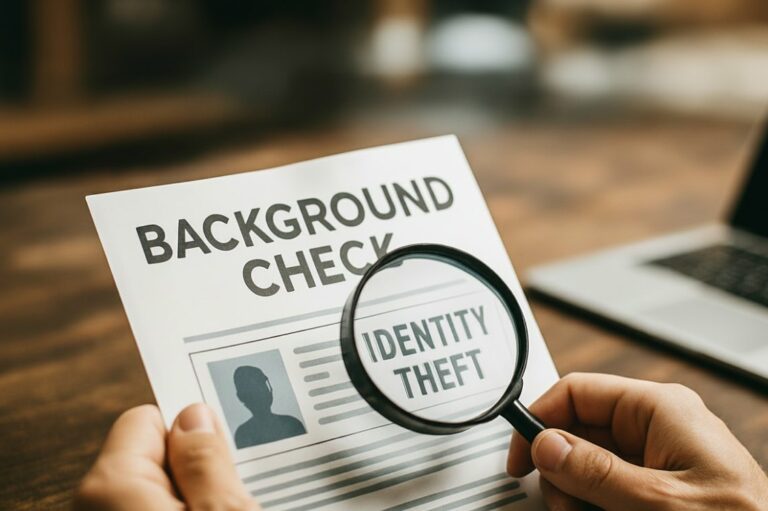
Identity theft continues to affect individuals, businesses, and financial institutions across the country. Cybercriminals use stolen personal information to open credit accounts, access bank details, apply for loans, and commit online fraud. As digital transactions become more common, the need for stronger identity protection measures has increased significantly. One effective strategy used by employers, landlords, financial organizations, and consumers is the background check. Proper background screening helps verify identities, detect fraud risks, and reduce the chances of identity theft before serious damage occurs. What is Identity Theft Identity theft occurs when someone steals personal information and uses it without permission for financial gain or fraudulent activity. Commonly targeted details include: Social Security numbers Bank account information Credit card details Driver’s license numbers Employment records Addresses and phone numbers Criminals often obtain this information through phishing scams, data breaches, fake job applications, or stolen documents. Victims may face financial losses, damaged credit scores, and lengthy recovery processes. What Are Background Checks? Background checks are verification processes used to confirm a person’s identity, history, and credentials. These checks help organizations identify inconsistencies, fraudulent records, or suspicious activity before approving employment, housing, financial services, or partnerships. Common Types of Background Checks Several types of screenings support identity verification and fraud prevention:
Read More
What Counts as Public Records?
05

What Counts as Public Records?

Public records play an important role in government transparency, legal processes, and everyday life. These records allow citizens to access certain types of information created or maintained by government agencies. Whether you are researching property ownership, conducting a background check, verifying court information, or tracing business records, public records can provide valuable insight. At the same time, many people misunderstand what “public records” actually means. Not every government document is open to the public, and access rules often vary by state and agency. Understanding which records are considered public can help you navigate the process more effectively while respecting legal and privacy boundaries. What Are Public Records? Public records are documents or pieces of information created, stored, or maintained by government agencies that members of the public can legally access. These records may exist at the: Federal level State level County level City or municipal level Public records laws are designed to promote accountability and transparency. In many cases, citizens can request records directly from government offices or access them through online databases. However, some records contain restricted or confidential information and may only be partially accessible. Why Public Records Exist Public records support transparency within government operations. They allow citizens, journalists, businesses, and legal professionals to review information connected to public activity.
Read More