Meal planning tips for seniors living alone
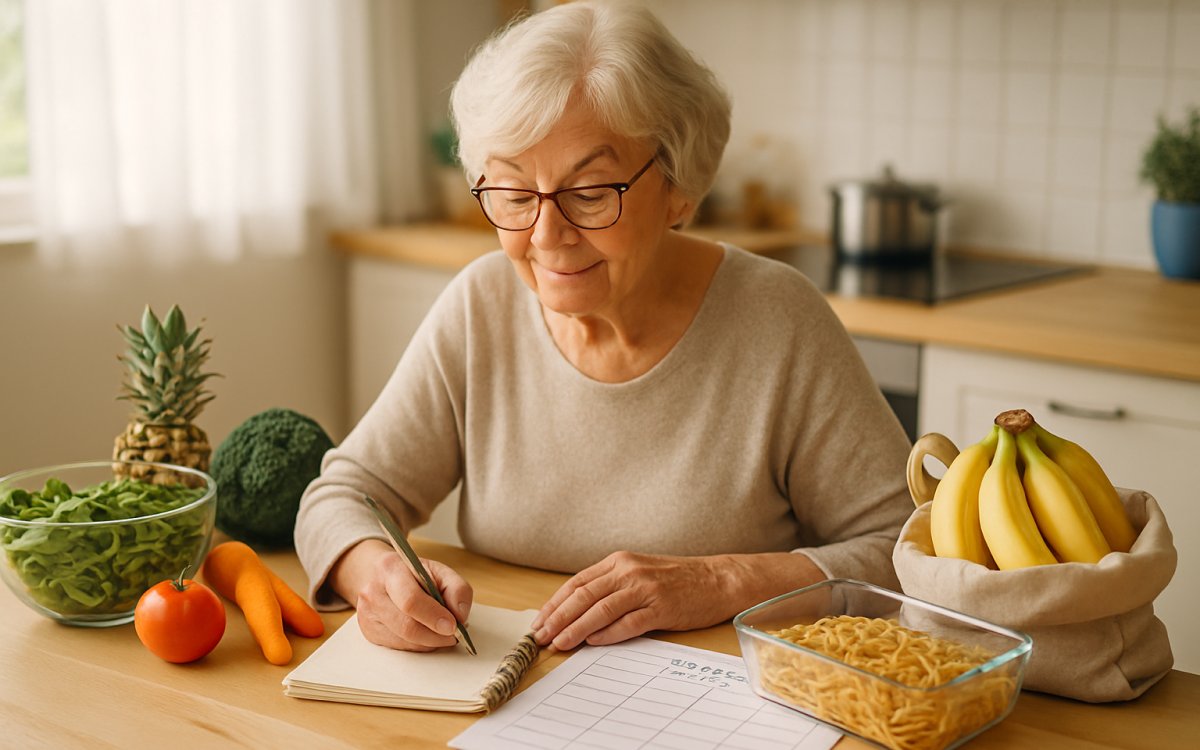
Eating well as a senior living alone requires more intention than cooking for a full household. Without a plan, it’s easy to fall into repetitive routines or skip meals altogether. Thoughtful meal planning makes it easier to manage groceries, prepare simple meals, and maintain a steady senior nutrition plan without feeling overwhelmed or wasting food. With a few practical tips, seniors living alone can build a consistent meal routine that is both manageable and nourishing.
Start With a Simple Weekly Plan
Creating a basic weekly outline removes the guesswork from daily meals. It helps organize grocery needs and reduces the chances of skipping meals.
Keep Meals Realistic
Simple meals for seniors are often the most effective. Planning dishes that require minimal preparation can make cooking feel less overwhelming and ensure consistency.
Repeat Core Ingredients
Using a few staple ingredients throughout the week makes meal preparation easier. This approach supports efficient cooking for one older adult while reducing waste.
Shop Smart and Buy Small Quantities
Grocery shopping plays a key role in successful planning. Buying smaller portions helps keep ingredients fresh and avoids excess. Having the right ingredients is pivotal to healthy living for seniors living on their own.
Choose Multi-Use Ingredients
Foods that can be used across different meals simplify the process. For example, cooked vegetables or grains can be included in multiple dishes, making a senior nutrition plan easier to follow.
Consider Convenient Options
Pre-cut or frozen ingredients can save time and effort. These options support simple meals for seniors without sacrificing variety.
Make Cooking More Efficient
A few small strategies can make cooking for one older adult more manageable and less time-consuming. Also, using these strategies helps spend resources to a lesser extent, too.
Prepare Meals in Advance
Cooking once and storing portions for later use can reduce daily effort. It also ensures that meals are readily available throughout the week.
Use Easy Cooking Methods
Methods like steaming, baking, or slow cooking require less attention and help simplify meal preparation.
Maintain Variety Without Complexity
Variety keeps meals enjoyable, even with a simple approach.
Rotate Flavors and Ingredients
Changing seasonings or combining ingredients in new ways can keep meals interesting without adding extra work.
Keep Portions Balanced
A balanced meal for older adults includes a mix of grains, vegetables, and protein sources. Keeping portions moderate helps maintain consistency without waste.
Build a Comfortable Routine
Establishing a regular routine makes meal planning feel natural over time. Setting aside time each week for planning and preparation can create a sense of stability and reduce the need for daily decision-making.
Keeping a consistent meal schedule can also support better organization in the kitchen. Regular timing makes it easier to prepare ingredients in advance and maintain a steady senior nutrition plan without added effort.
It may also help to keep a small list of familiar, simple meals for seniors to repeat throughout the week. This approach brings comfort and predictability while still allowing small variations when desired.
Over time, these habits can make cooking for one feel less like a task and more like a smooth, manageable part of everyday life.